
CCM Learn
Understand the software, the statistics and the limits of the data.
Use the learning hub for TableSync workflows, roulette result history, probability, Custom Bets and getting started in your browser. Every guide is written to explain what the screen can show without turning past results into a forecast.
Strong starting points
Begin with the question you are actually trying to answer.
These guides cover the recurring themes behind TableSync: session tracking, result history, statistics, probability and virtual practice.
01 · Session planning
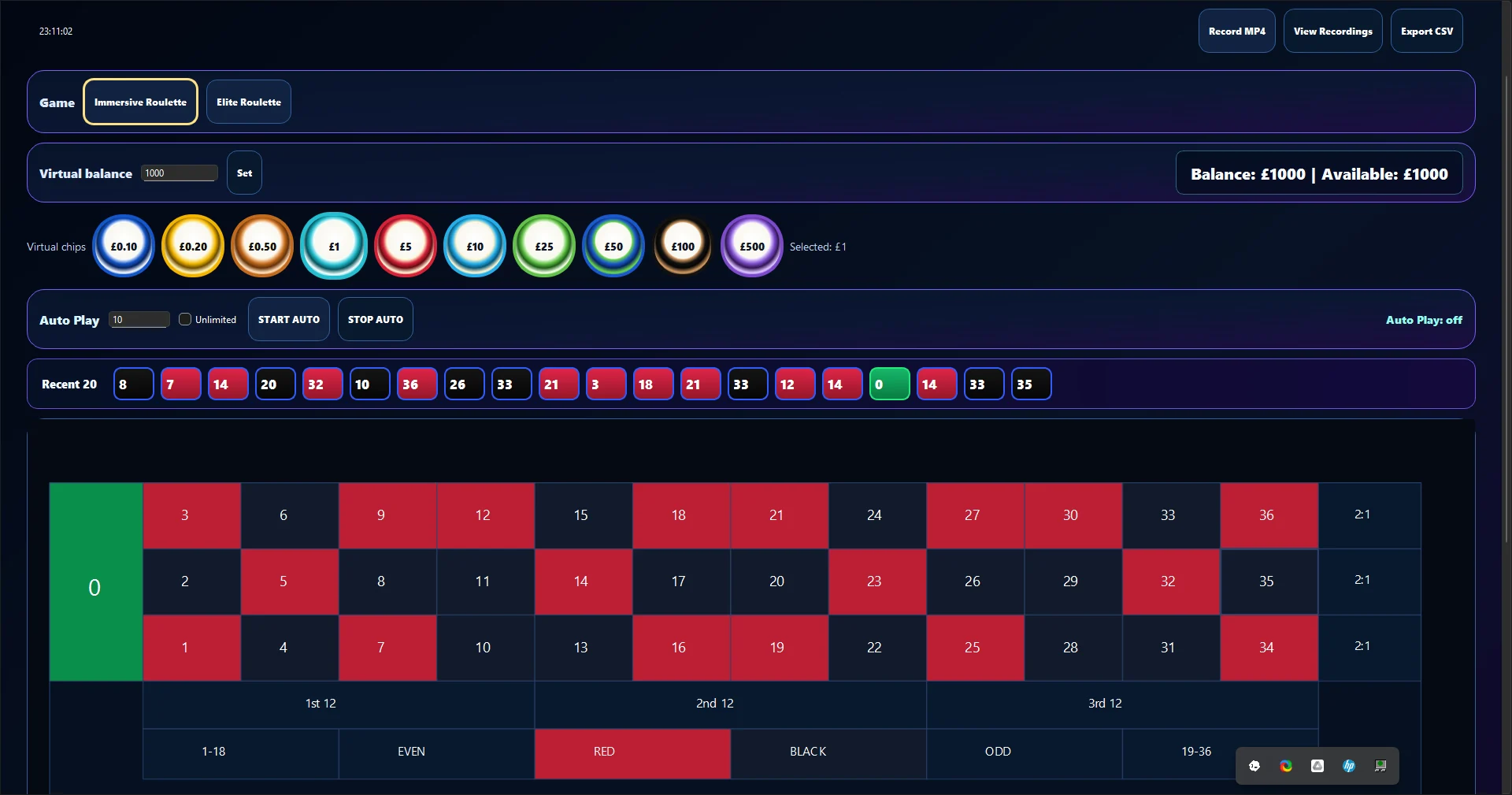
Roulette Session Tracker: Review a Practice Session
Use a clear starting balance, consistent virtual stakes, notes and a defined finish point to make roulette practice sessions easier to review.
Read the guide →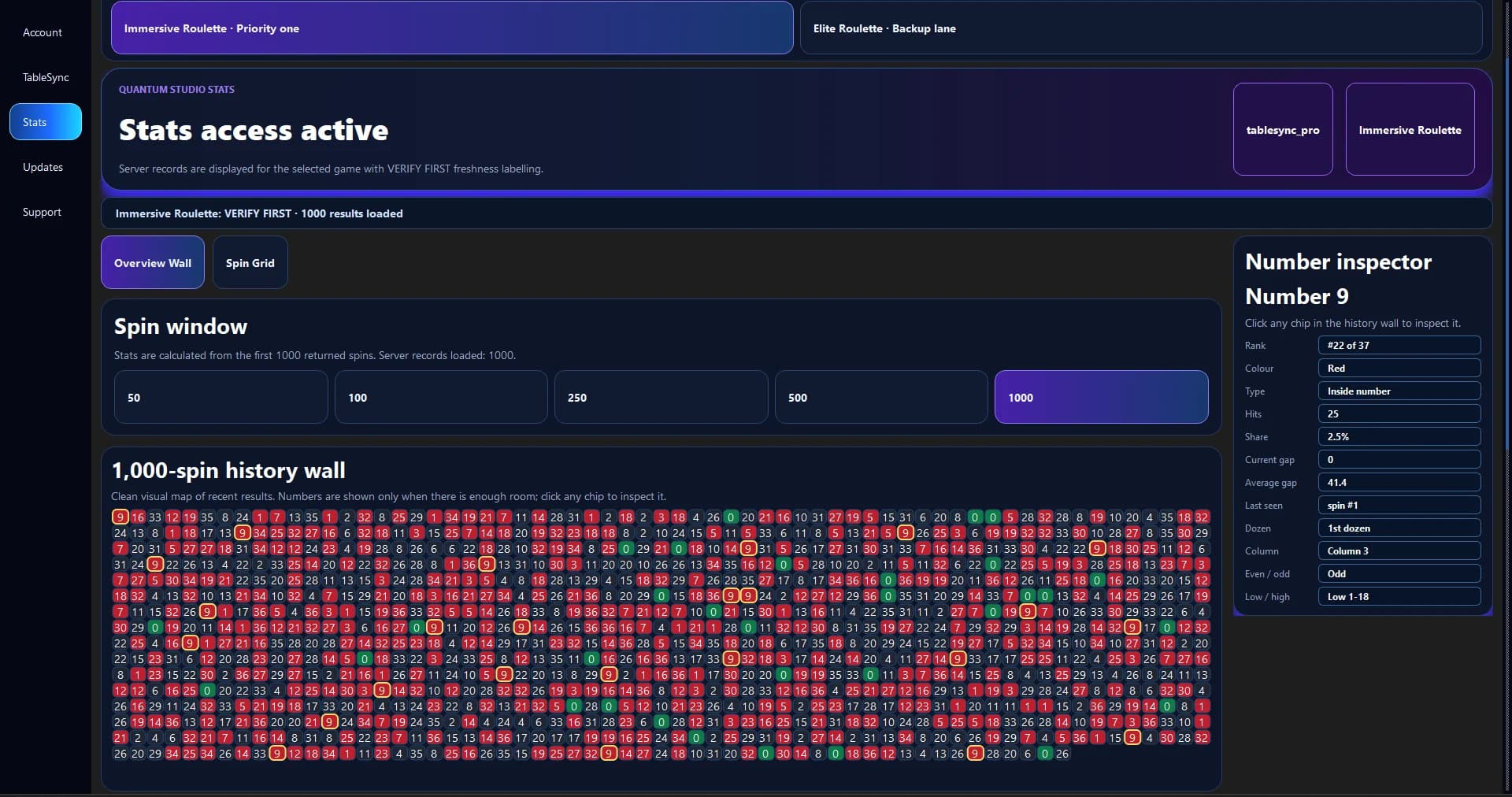
02 · Results and history
Roulette Results Tracker: History, Frequency & Gaps
Learn what a roulette results tracker can show about recent spin history, number frequency and gaps, and where historical data stops being useful.
Read the guide →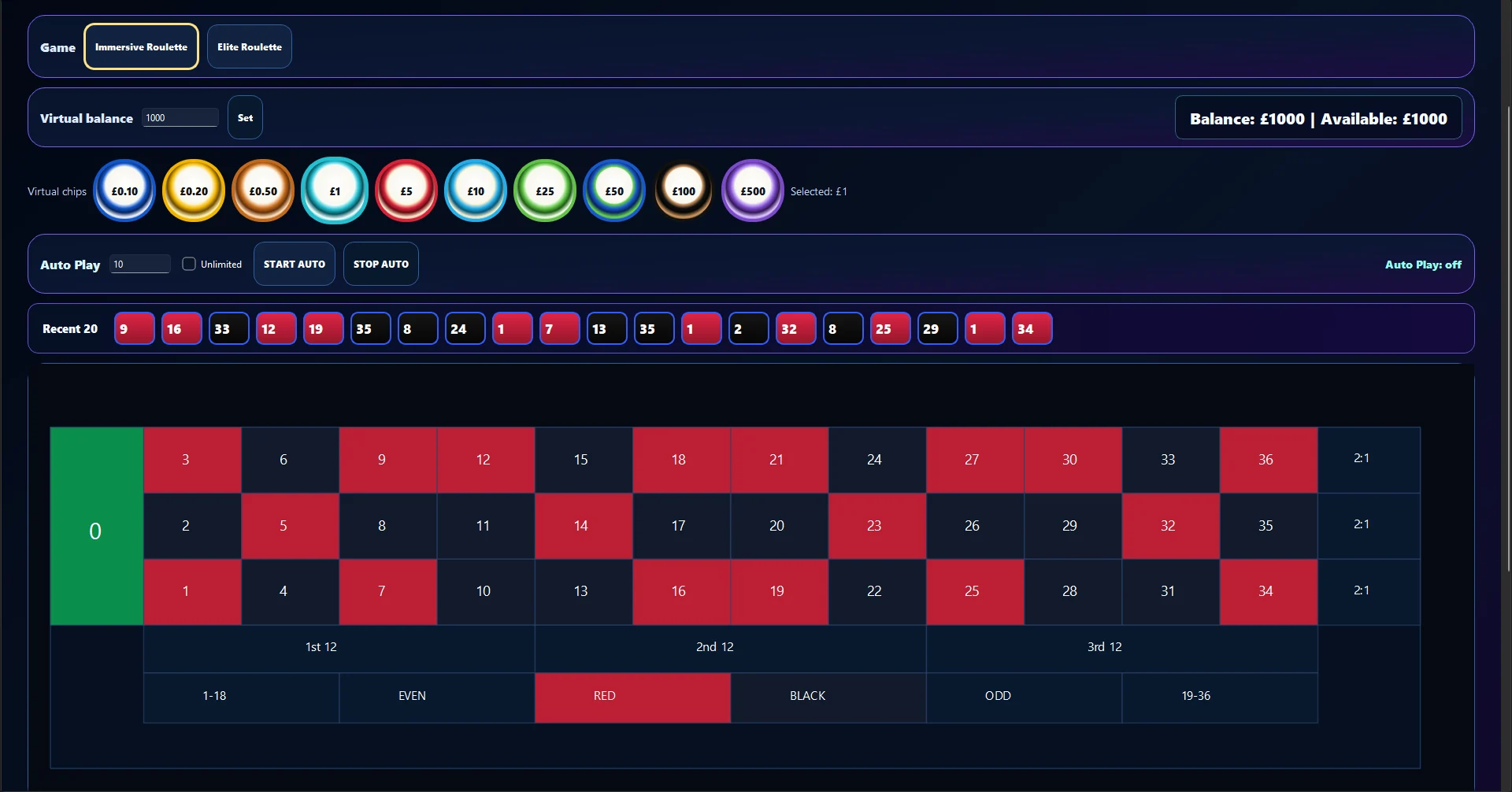
03 · Getting started
Live Roulette Practice: Virtual Chips in a Separate Workspace
Understand how a separate roulette practice workspace uses virtual chips and a practice balance without placing real bets or controlling casino software.
Read the guide →04 · Stats and Number Inspector
Roulette Statistics: Frequency, Gaps & Number History
Read roulette statistics more clearly by checking the sample window, hit frequency, gaps and individual-number history before drawing conclusions.
Read the guide →05 · Virtual board and chips
Roulette Practice Software: Choosing a Virtual Overlay
Compare the practical features that make roulette practice software useful: readable virtual controls, saved layouts, session context and clear boundaries.
Read the guide →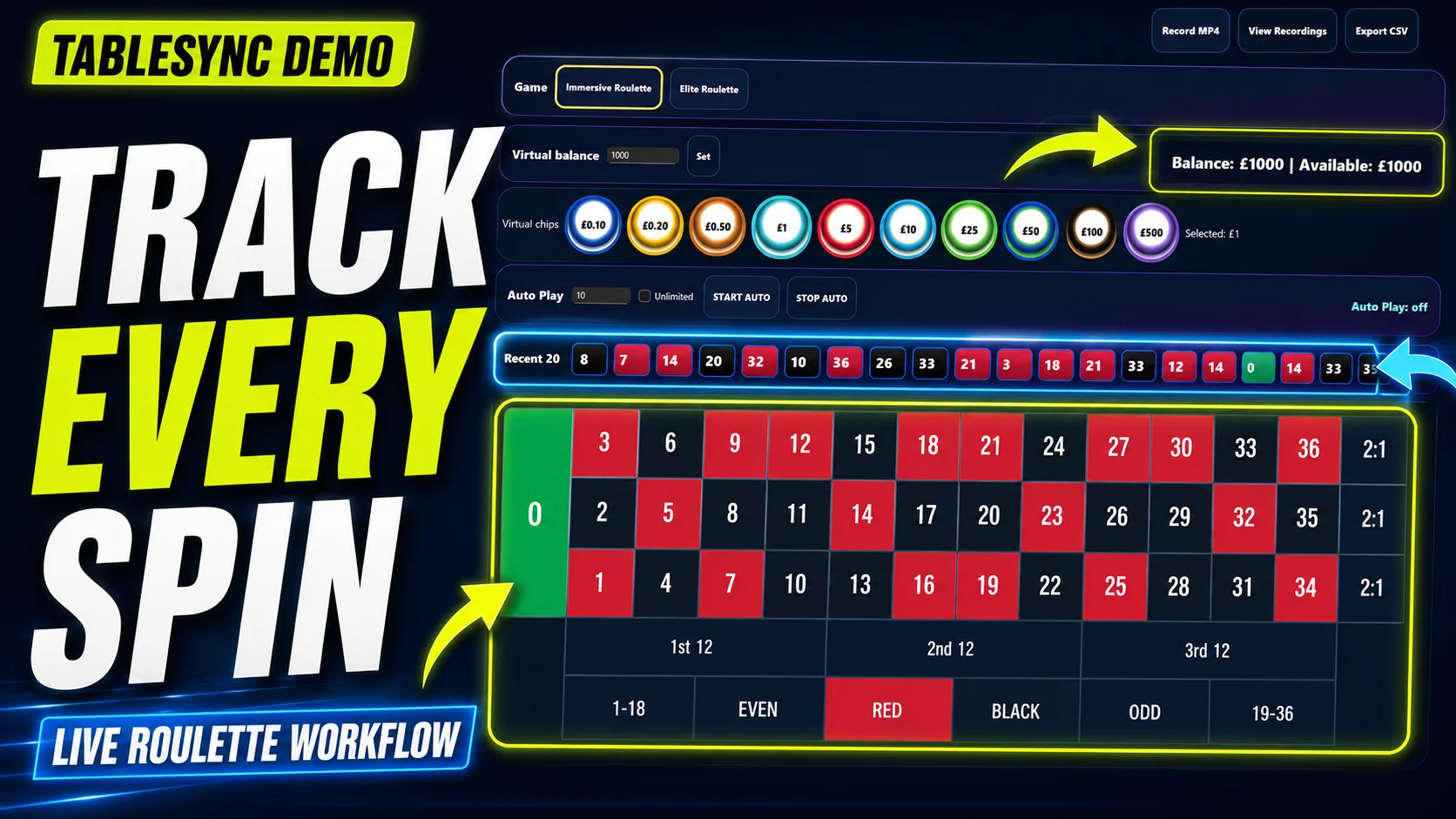
06 · Probability and common myths
Roulette Probability: Why Previous Spins Don’t Change the Next
Understand independent roulette spins, short-term variation and why recent results do not change the mathematical probability of the next fair spin.
Read the guide →Browse by topic
Follow one subject without wading through unrelated pages.
Topic pages group the published guides by the job they help with, from session planning to roulette probability and account and access questions.
Getting started
Start with virtual chips, a clear practice balance and the basic TableSync session workflow.
Explore getting started →Virtual board and chips
Understand the virtual European board, chip values and the controls used during a TableSync practice session.
Explore virtual board and chips →Custom Bets
Create, inspect and reuse named virtual roulette layouts without rebuilding the same practice setup each time.
Explore custom bets →Session planning
Plan a consistent virtual session, keep the important details together and finish with a record that is easier to review.
Explore session planning →Results and history
Read roulette result history, frequency, gaps and sample windows without treating historical data as a future-outcome signal.
Explore results and history →Stats and Number Inspector
Use the 0–36 wall, history windows and Number Inspector to examine recorded roulette statistics with the sample kept in view.
Explore stats and number inspector →Probability and common myths
Understand European roulette probability, independent spins, recorded frequency and the myths that make short histories easy to overread.
Explore probability and common myths →CCM Quantum and Windows
Download, verify, install and open CCM Quantum on Windows with the published file details kept close to the process.
Explore ccm quantum and windows →Product comparisons
Compare practice software, saved-layout tools and automation categories in plain English before choosing what belongs in your workflow.
Explore product comparisons →Full guide library
Search by product feature, setup question or roulette concept.
The public library stays deliberately small enough to maintain. Each page has a distinct question to answer rather than a slightly different keyword phrase.
01
Session planningRoulette Session Tracker: Review a Practice Session
Use a clear starting balance, consistent virtual stakes, notes and a defined finish point to make roulette practice sessions easier to review.
Read the guide →02
Results and historyRoulette Results Tracker: History, Frequency & Gaps
Learn what a roulette results tracker can show about recent spin history, number frequency and gaps, and where historical data stops being useful.
Read the guide →03
Getting startedLive Roulette Practice: Virtual Chips in a Separate Workspace
Understand how a separate roulette practice workspace uses virtual chips and a practice balance without placing real bets or controlling casino software.
Read the guide →04
Stats and Number InspectorRoulette Statistics: Frequency, Gaps & Number History
Read roulette statistics more clearly by checking the sample window, hit frequency, gaps and individual-number history before drawing conclusions.
Read the guide →05
Virtual board and chipsRoulette Practice Software: Choosing a Virtual Overlay
Compare the practical features that make roulette practice software useful: readable virtual controls, saved layouts, session context and clear boundaries.
Read the guide →06
Probability and common mythsRoulette Probability: Why Previous Spins Don’t Change the Next
Understand independent roulette spins, short-term variation and why recent results do not change the mathematical probability of the next fair spin.
Read the guide →07
Product comparisonsRoulette Practice Software vs Betting Bot: The Difference
See the difference between a separate virtual roulette practice workspace and software designed to automate actions in a real betting environment.
Read the guide →08
CCM Quantum and WindowsVerify a Windows Installer with SHA-256 Before Opening It
Use filename, exact file size and SHA-256 to compare a downloaded Windows installer with the values published by its software provider.
Read the guide →09
Probability and common mythsRoulette Frequency Labels: What Recent Results Really Mean
Learn how higher- and lower-frequency roulette results are calculated from a selected recent sample and why recorded frequency does not change the odds of the next fair spin.
Read the guide →10
Results and historyRoulette Number Frequency: Hit Counts & Sample Size
Understand roulette number frequency by reading hit counts alongside the selected sample size, percentage and wider result history.
Read the guide →11
Results and historyRoulette Gaps & ‘Overdue’ Numbers: What a Long Gap Means
Learn what a roulette number gap measures, why long gaps occur in random sequences and why an overdue label does not change future probability.
Read the guide →12
Probability and common mythsEuropean Roulette Probability: 37 Numbers & Independent Spins
A plain-English guide to European roulette probability, the 37 wheel positions, common outcome probabilities and the effect of zero.
Read the guide →13
Custom BetsCustom Roulette Layouts: Saved Practice Bets in TableSync
Use named virtual roulette layouts to save a repeatable practice setup, inspect its numbers and stake, then reopen it in later sessions.
Read the guide →Article indexPrefer a simple list of every maintained guide?
The article index groups the same curated library into one crawlable list, with release notes kept separate from evergreen guidance.
Browse the article index